These are affiliate links. I may earn a commission if you buy through them, at no extra cost to you.
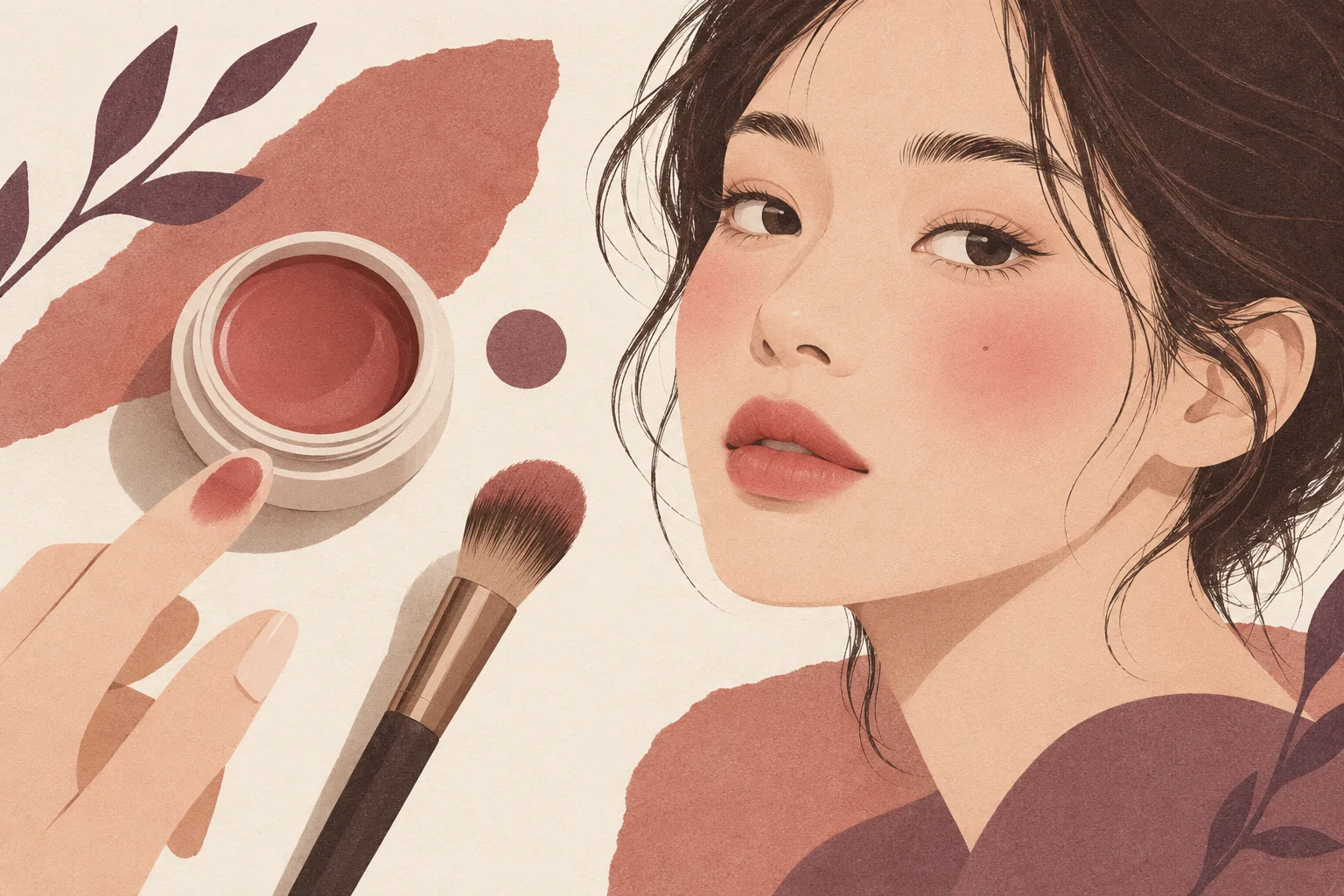
fwee Pudding Pot is made for both lips and cheeks. The useful trick is to choose a colour you like on your lips, where you may want more coverage, then tap a much lighter layer onto your cheeks. You get a coordinated look without needing exactly the same intensity in both places.
That can make it an alternative to buying a separate lipstick and blush, especially if you like a coordinated colour. But a pot is a different kind of convenience from a twist-up lipstick: it saves a product, while asking you to do a little more blending.
What is actually in the pudding pot?
The Blurry Pudding Pot is a coloured lip-and-cheek formula with a soft, bouncy texture. fwee describes it as combining qualities of cream and powder blush, with a blurred finish. On the lips, that means a soft-edged look rather than a glossy shine. Our guide to glossy and blur lip tints explains that difference in finish.
The pudding name refers to its texture in the pot. Choose it for a soft, blurred wash of colour; choose a gloss if a shiny lip finish is your priority.
Its appeal is easy to understand: one colour can tie your makeup together, while a fingertip lets you soften the edges. You can use it for a barely coloured cheek and a more noticeable lip, or keep both very light. Matching the colour family gives you room to vary the application.
Choose for your lips first
A pale pink that looks lovely spread thinly over foundation can be less useful as your only lip colour. You are putting it over a different starting colour, and you may want a more defined result on your mouth.
For a first pot, start with the lip look you actually wear. Do you want a muted everyday shade, a noticeable rose, or a deeper colour you can blend out? Then see whether a light touch of that same shade gives you the cheek colour you want.
The practical test is simple: look at examples of the shade on both lips and cheeks. A dense arm swatch tells you less about that particular job. If you can try a tester hygienically, compare a sheer application with a stronger one before choosing.
There is no need to buy a pale base shade and a second darker shade just because you have seen a two-colour routine. A single pot that works for both uses is a better starting point. Add another only when you know which part of your routine the first cannot cover.
How to apply it without overdoing the cheeks
fwee's basic instruction is to tap on a small amount and blend. Start with less than you think you need, especially over an existing makeup base.
- Pick up a little product with a clean fingertip or applicator.
- Tap a thin layer onto your cheeks. Work in small touches, then soften the edge with a clean finger or tool.
- Look at both sides of your face before adding more. It is easier to build colour than remove a heavy patch.
- Take a little more product with a clean fingertip or applicator for your lips. Concentrate the colour where you want it, then blend towards the edges.
Tap rather than repeatedly dragging a finger across your foundation. The aim is to place colour while disturbing the base as little as possible. If the product underneath moves, reduce both the amount and the rubbing instead of adding more blush to cover it.
For a more noticeable lip, build another light layer. For a softer outline, leave a clean fingertip for the final edge rather than pushing fresh pigment right to the border.
What if your lips are dry?
Prepare dry lips before putting on a blurred colour. A comfortable base makes blending easier; too much slippery balm can make it harder to keep the soft matte finish you chose.
Use the balm you already like, allow it to settle and blot away excess before applying the pot. You do not need an entire branded preparation routine to find out whether this format suits you.
If you like the colour on your cheeks but dislike the feeling on your lips, keep using it as blush. The dual-use label offers an option; it does not mean both uses must feel equally good to you. A separate balm or favourite lipstick may still earn its place in your bag.
Fingers, a brush or a silicone applicator?
A fingertip is the simplest place to start. A small brush can help with placement, while a silicone applicator is an alternative for people who prefer not to dip a finger into a pot. None of those tools is automatically required to make the product work.
The less convenient moment is often the touch-up outside the house. A lipstick can go straight from its case to your lips. With a pot, you need a clean finger or tool, somewhere to put it afterwards and a moment to blend.
Keep the two uses cleanly separated: take fresh product for each area instead of moving a used applicator back and forth between your mouth and the pot. Buying a miniature container adds another handling step, so it is worth seeing whether you reach for the full-size pot before decanting it.
Who is this format worth trying for?
The strongest reason to try it is that you want a soft, coordinated lip-and-cheek look and enjoy adjusting colour with small taps. It is less compelling if you want instant glossy lips, dislike using your fingers or already own a blush and lipstick combination you love.
My recommendation is one wearable colour first, used in two different amounts. That is where a lip-and-cheek pot becomes useful: fewer decisions in the morning, with enough control to make the colour look different where it needs to.
Find the pot
Find fwee Blurry Pudding Pot on Olive Young Global. The listing includes colour and set/single options, so choose the pot and format you want on the product page.